

Why the Objects You Keep Make a House Feel Like Home
By Hasti Mirkia, PhD
Founder, The SoulSpace Design
August 2026
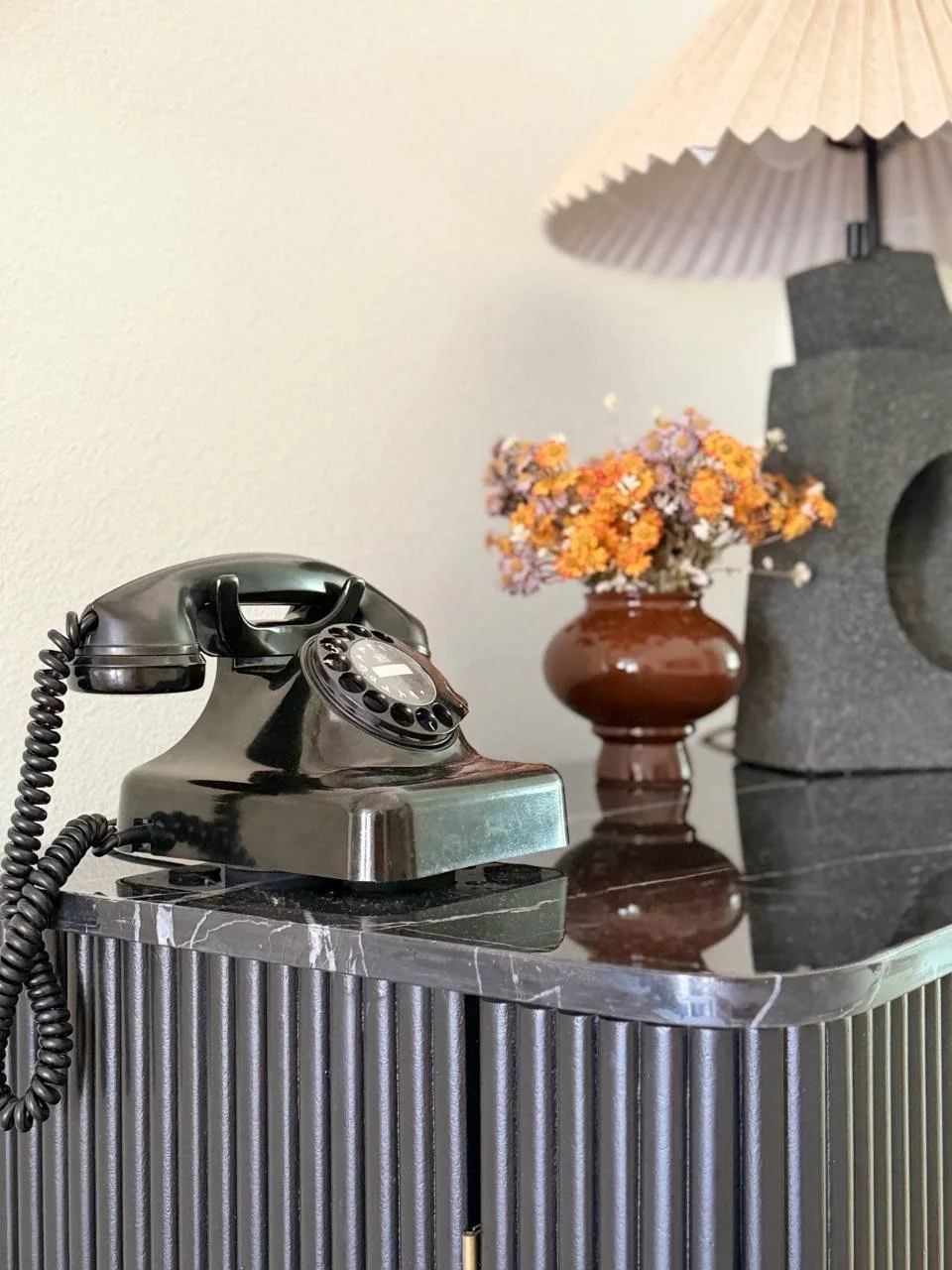
In almost every home I design, there is an object that does not quite belong. I have learned to pay close attention to it, because the thing that does not match is almost always the thing the room cannot do without.
What E-Design Actually Looks Like
By Hasti Mirkia, PhD
Founder, The SoulSpace Design
June 2026
The question comes up early, usually with a little hesitation. How can you design my home if you are not standing in it?
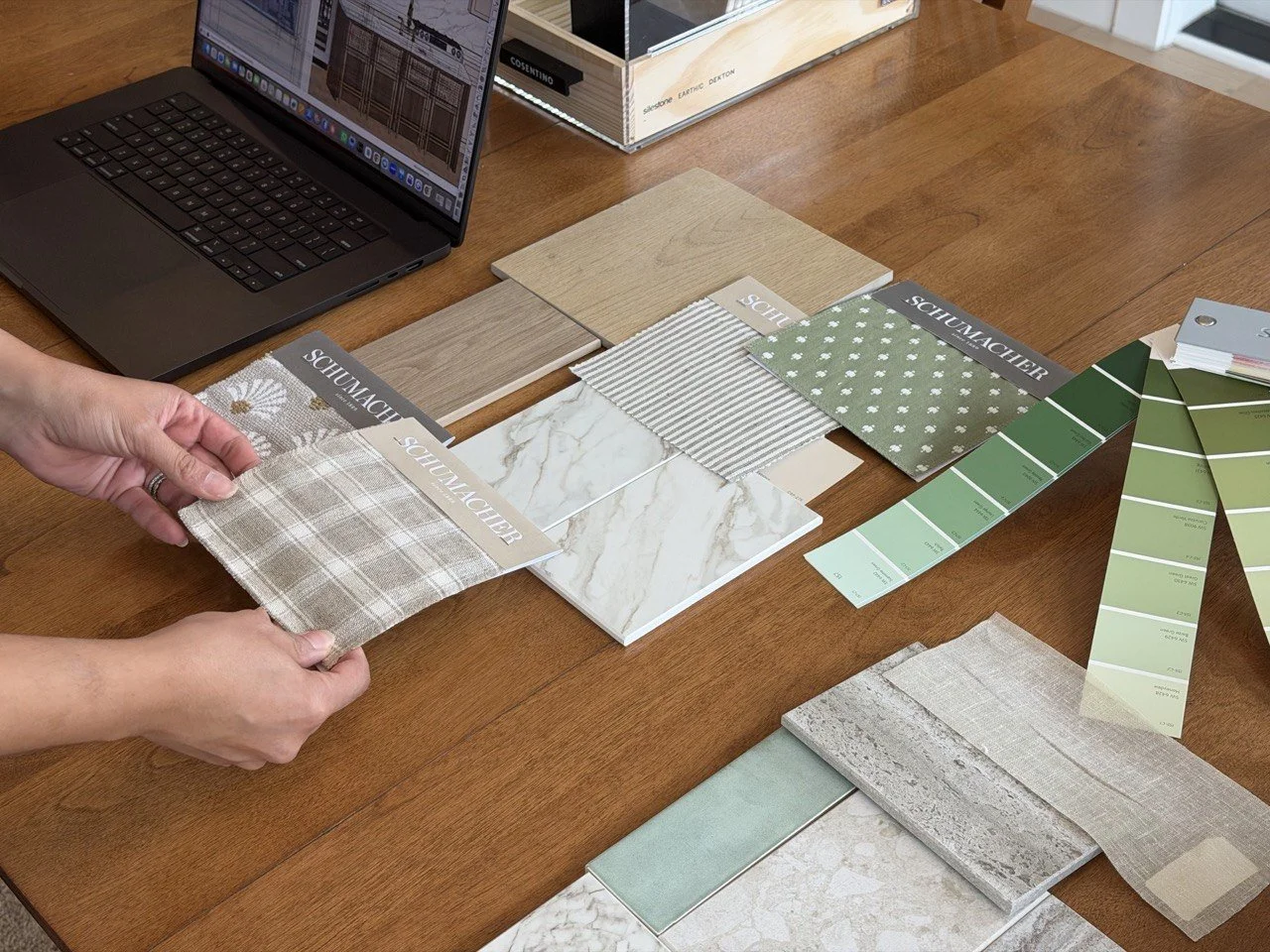
It is a fair question, and I never wave it away. Designing a space from a distance can sound like ordering a custom suit by mail. So I want to take the mystery out of it, because the truth is that e-design, done well, is not a lesser way of working with a designer. It is a more deliberate one. When you cannot rely on simply being in a room, you have to make everything explicit. Nothing is left to a passing glance or a decision made in the moment. Every choice is studied, drawn, and confirmed.
Here is what the process actually looks like.
It begins the way every project of mine begins, with listening. Before a single measurement, there is a long conversation and a detailed questionnaire about how you live. What your mornings sound like. Where you gather. What you have quietly tolerated in a home that no longer fits you. How you want to feel in each room. I have written before that this listening is not the soft part of the work but the most rigorous part, and that is even more true at a distance. The conversation is where I learn the things a tape measure can never tell me.
On Listening Before Designing
By Hasti Mirkia, PhD
Founder, The SoulSpace Design
May 2026
There is a question I have learned to ask early in every project, and the answer almost never comes quickly. How do you want to feel in this room?
It sounds like a soft question. It is not. Most clients have spent years thinking about what they want a space to look like, but very few have been invited to think about what they want it to feel like. The pause that follows the question is often the most useful moment of a first conversation. It is the sound of someone realizing they have never been asked this before.
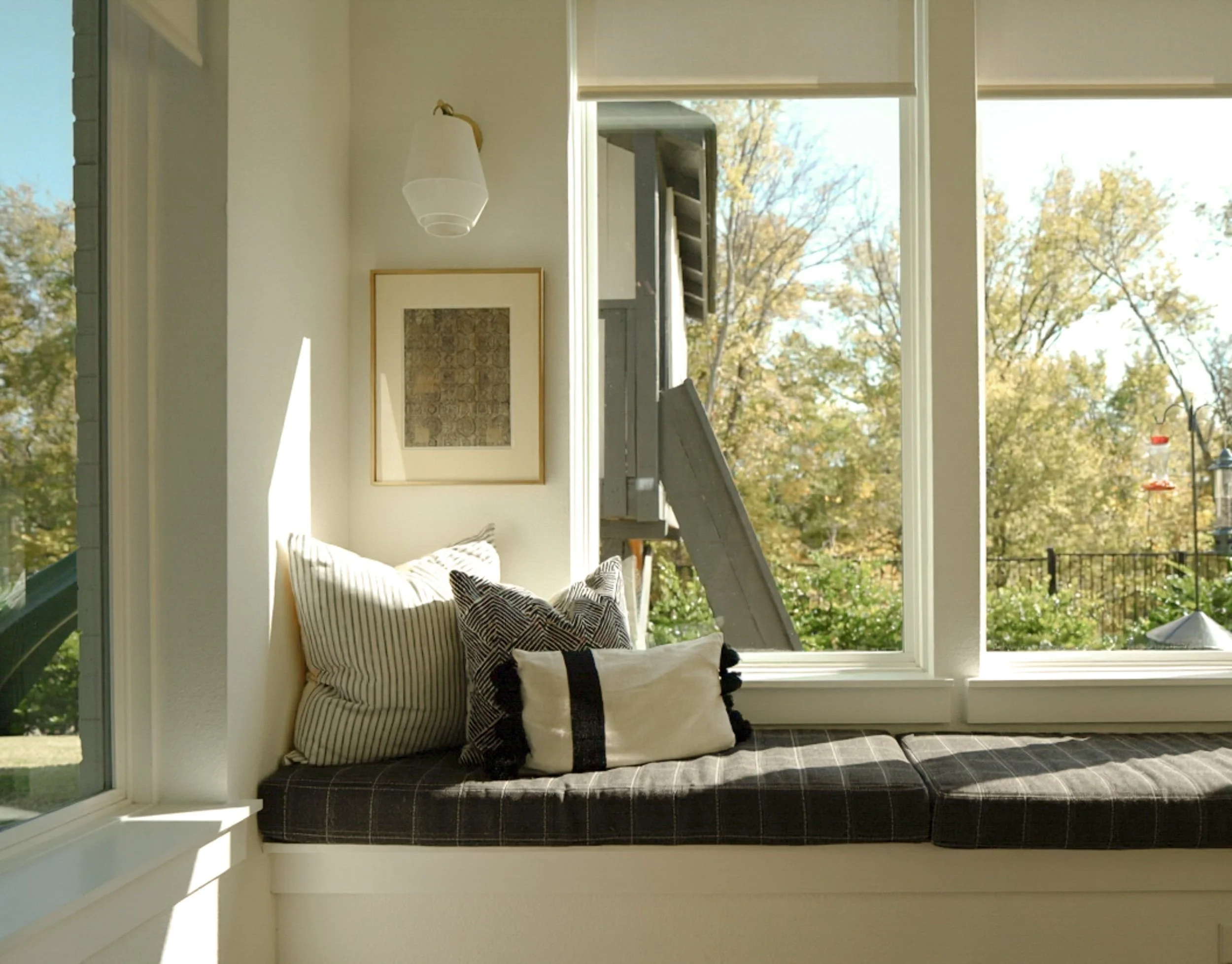
This is the part of my process I think about most. Before mood boards, before measurements, before any decision about cabinetry or stone, there is the slower work of understanding how a family actually lives, what their mornings sound like, where the light falls when it matters, and what they have been quietly tolerating in a home that no longer fits the life they are living. I have come to think of this as the real beginning of the design. Everything visible comes later.
Why Curves Matter: What My Research Revealed About How We Remember Spaces
By Hasti Mirkia, PhD
Founder, The SoulSpace Design
April 2026
Some spaces stay with us long after we leave them. Others, no matter how polished, fade from memory almost immediately. For years, I wondered what made the difference. During my PhD at the University of Wisconsin-Madison, I set out to find the answer.
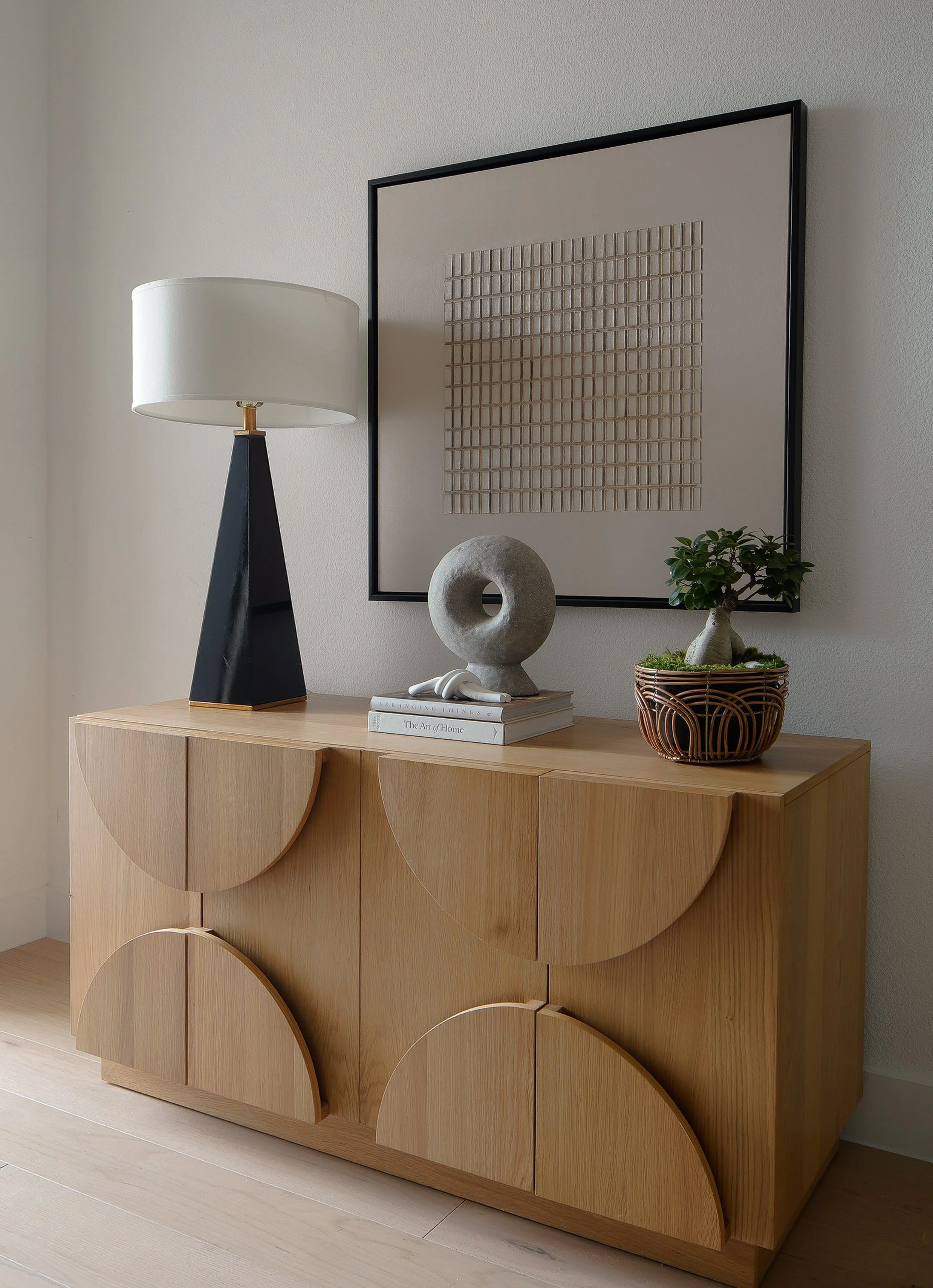
My research compared two approaches to interior architecture: biomorphic design, which draws on organic, nature-inspired forms, and rectilinear minimalist design, defined by straight lines, boxes, and the absence of ornament. I wanted to know whether the geometry of a space could measurably affect how well we remember it, how pleasant we find it, and where our eyes are drawn.
Why Your Kitchen Is the Emotional Center of Your Home
By Hasti Mirkia, PhD
Founder, The SoulSpace Design
March 2026
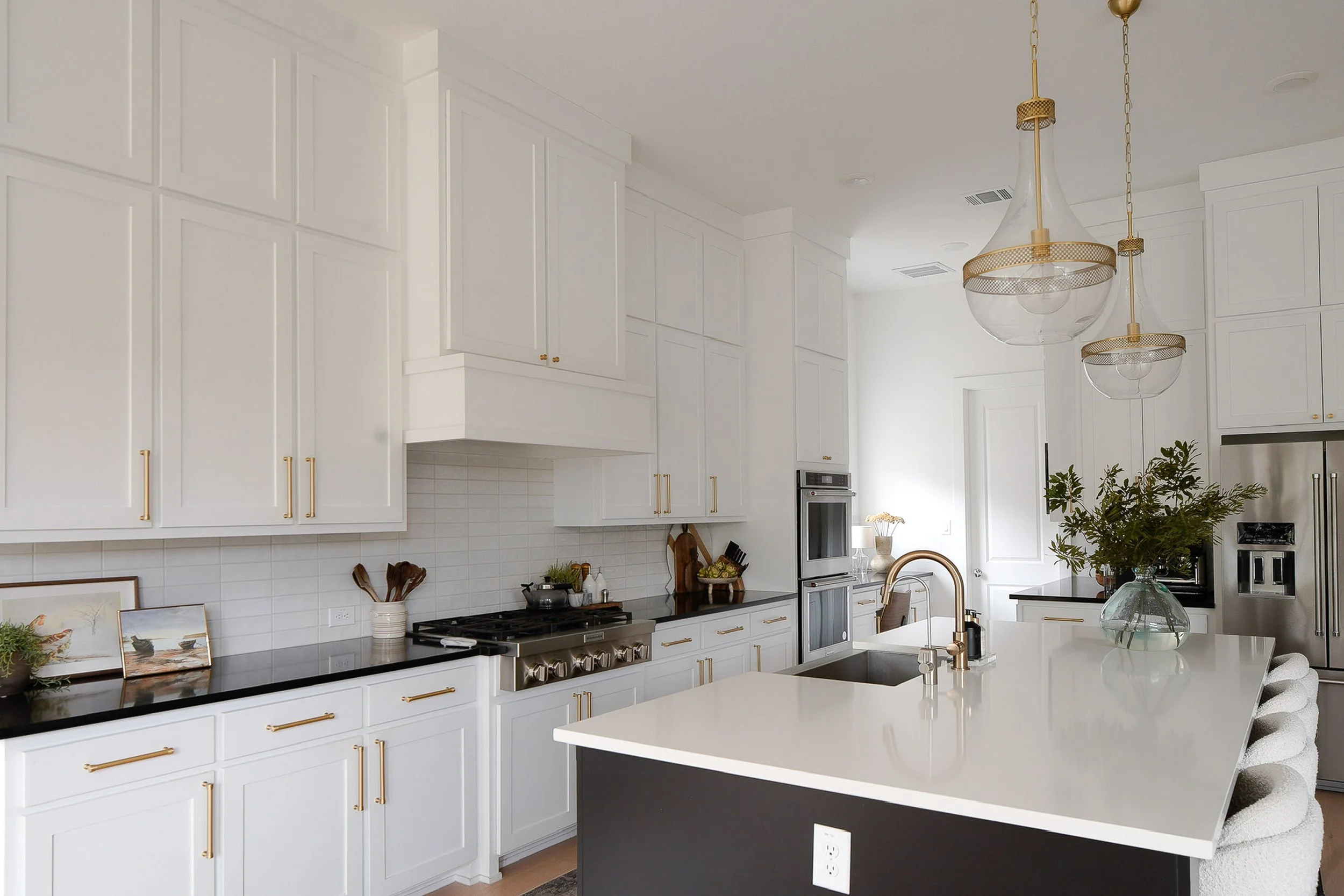
The kitchen has always been more than a place to prepare food. It is where families gather without being invited, where conversations happen naturally, and where the rhythm of daily life finds its center. From a design perspective, this is not accidental.
Research in environmental psychology suggests that kitchens function as emotional anchors within a home. Their central placement, the sensory richness of cooking, the warmth of gathered light, and the physical act of nourishing others all contribute to a feeling of safety and connection. When a kitchen is designed well, it does not just work efficiently. It draws people in.
The Quiet Power of Material Honesty
By Hasti Mirkia, PhD
Founder, The SoulSpace Design
February 2026
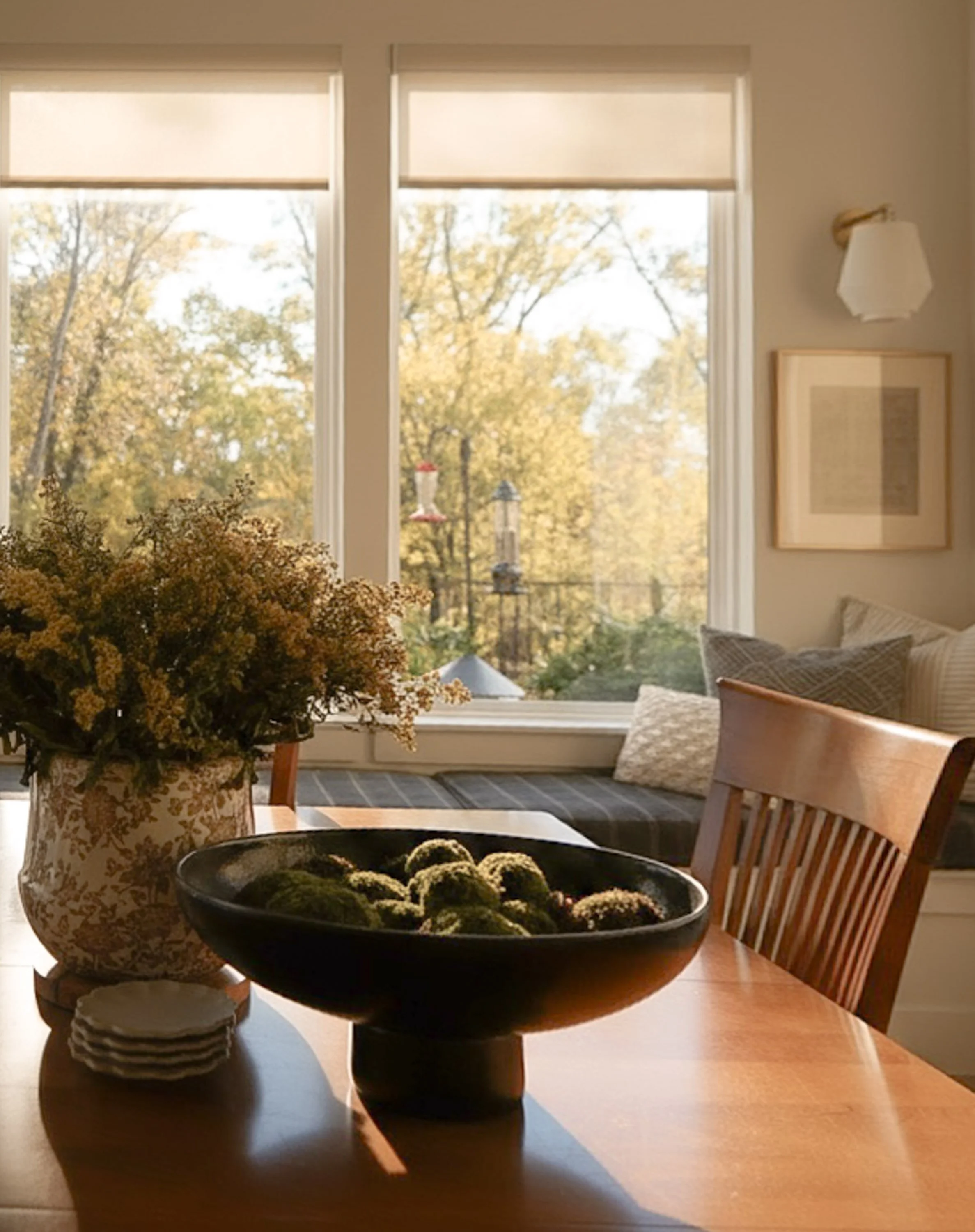
There is a quality certain rooms have that is difficult to name but immediately felt. You walk in and something registers as true. The materials feel like themselves. Nothing is pretending to be something it is not.
I call this material honesty, and it is one of the most overlooked principles in residential design. In a market filled with convincing imitations, porcelain that mimics marble, vinyl that imitates wood, laminate that photographs like stone, it has become easy to build a room that looks beautiful in pictures but feels hollow in person.
The difference is not always visible. It is tactile, sensory, even subconscious.
Designing Rooms That Grow With Your Children
By Hasti Mirkia, PhD
Founder, The SoulSpace Design
January 2026
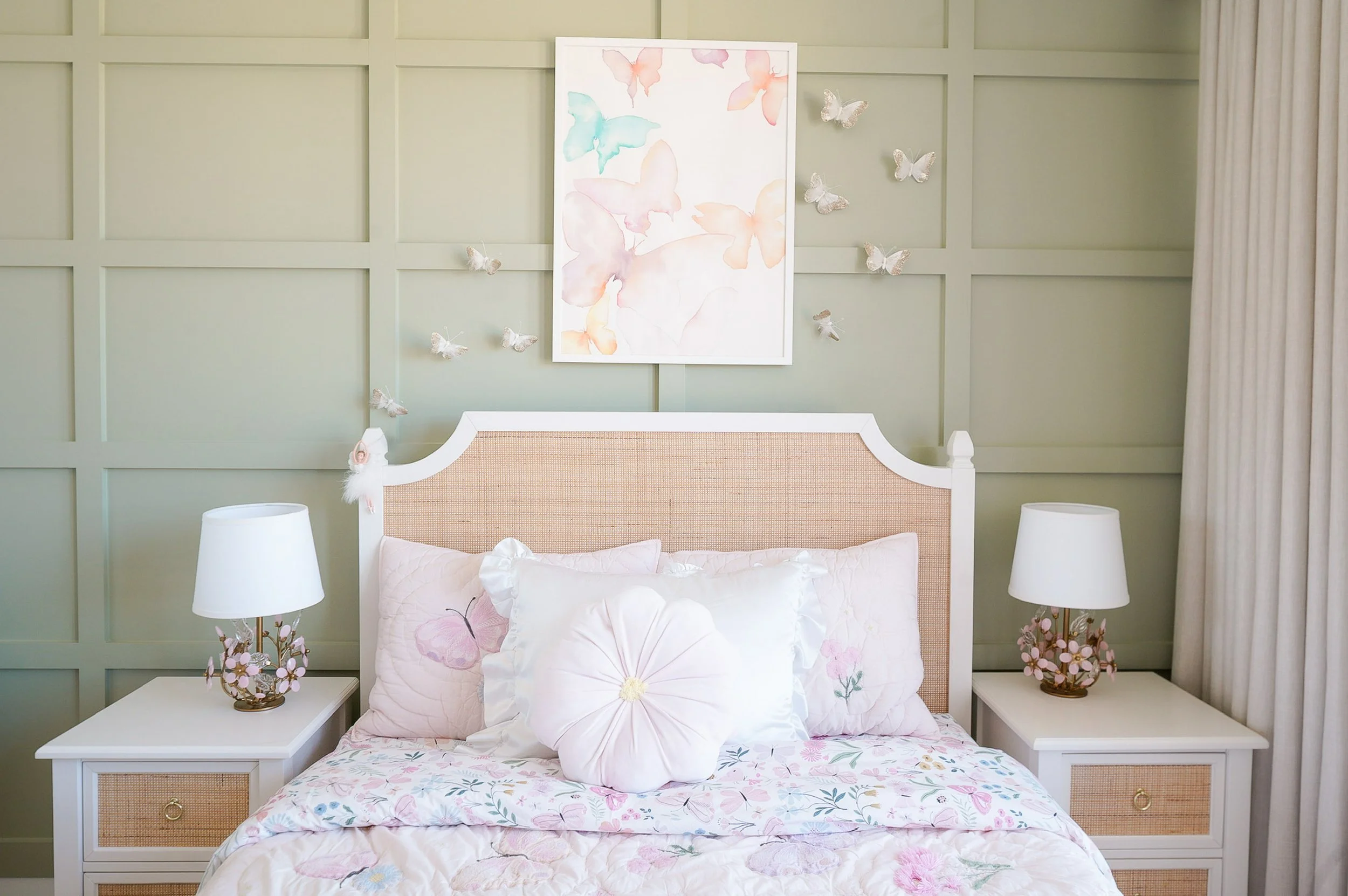
One of the most common questions I hear from parents is some version of: " How do I design a beautiful room for my child that won’t need to be completely redone in three years?
It is a fair question, and the standard industry answer: choose “timeless” furniture and neutral palettes, misses the point entirely. Children’s rooms are not miniature adult rooms. They are active, evolving environments that need to support imagination, emotional regulation, rest, and play, sometimes within the same hour.
The answer is not to fight that reality. It is to design for it.