

The Quiet Power of Material Honesty
February 2026
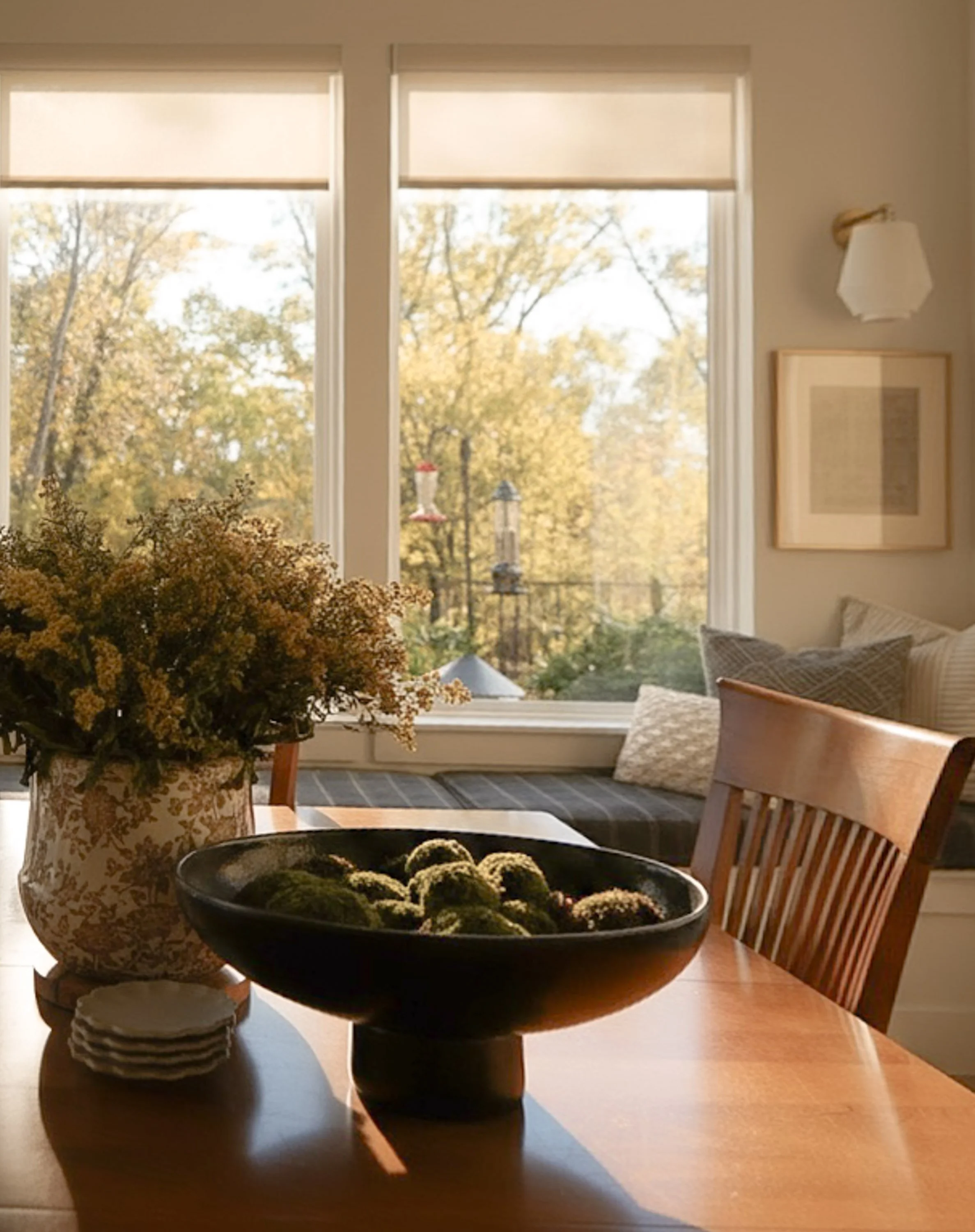
There is a quality certain rooms have that is difficult to name but immediately felt. You walk in and something registers as true. The materials feel like themselves. Nothing is pretending to be something it is not.
I call this material honesty, and it is one of the most overlooked principles in residential design. In a market filled with convincing imitations, porcelain that mimics marble, vinyl that imitates wood, laminate that photographs like stone, it has become easy to build a room that looks beautiful in pictures but feels hollow in person.
The difference is not always visible. It is tactile, sensory, even subconscious.
This connects directly to something I studied during my doctoral research at UW-Madison. My work focused on how the visual and formal qualities of interior environments affect memory, pleasantness, and attention. One of the core findings was that feelings of pleasantness mediate memorability; in other words, spaces that feel genuinely pleasant are the ones we remember. And pleasantness, as my research operationalized it, is not about surface beauty. It is about the depth of emotional response a space evokes.
What I observed, both in the data and in my own design practice, is that authentic materials tend to produce richer emotional responses. Research in environmental psychology supports this: people can distinguish between natural and synthetic materials through touch alone, and natural materials tend to produce calmer physiological responses, lower stress markers, a greater sense of comfort. When a material is honest, your body registers it even when your conscious mind does not.
This does not mean every surface needs to be rare or expensive. Material honesty is not about luxury. It is about alignment. A simple concrete floor, honestly presented, can feel more grounding than a polished marble look-alike. A raw linen curtain can bring more warmth to a room than an elaborate silk imitation. The key is choosing materials for what they are, not for what they resemble.
In my own practice, I spend more time selecting materials by touch than by sight. I hold samples, I test how they feel under different lighting, I consider how they will age. A material that develops a patina over time, that shows the life of a home rather than resisting it, is almost always more beautiful at year five than at year one.
My research confirmed what I had long intuited: the spaces we find most pleasant, and therefore most memorable, are the ones that feel coherent all the way through. Not just visually coherent, but sensorially honest. When you sit on a linen sofa and feel the texture under your hand, when you run your fingers along an unlacquered brass handle and feel its weight, when your bare feet touch real wood and register its warmth, those moments accumulate. They become the emotional signature of your home.
This is the kind of design that does not photograph differently than it feels. And in a home where you spend your most private and unguarded moments, that honesty matters more than almost anything else.
This reflection is part of the SoulSpace Journal, a space for design thinking shaped by research and lived experience.